

In the News
By Ninad Kashyap
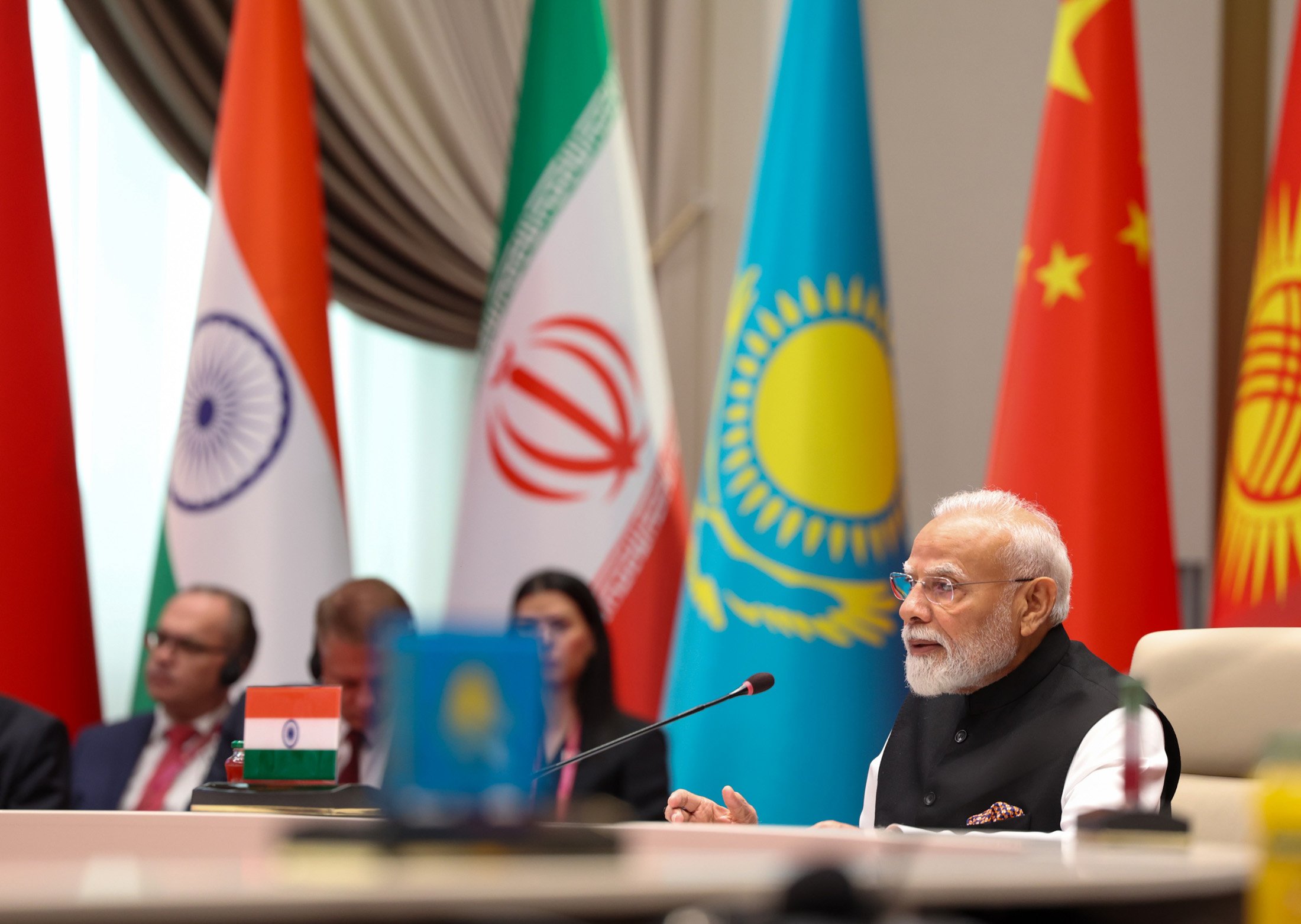
The U.S. and Indian approaches to Central Asia are more complementary than competitive: the United States can supply capital, technology, and security, while India supplies development, proximity, and a non-Western alternative.

By Pradeep Nair
While the Indian state is now deliberately making room for private firms, the boom in India’s space sector also shows how closely the state and private sector are tied together. The Indian government is at the same time a regulator, source of technology, customer, and investor.

By Kabir Taneja and Siddharth Yadav
Relying on AI models to identify and refuse to act on dangerous prompts — a measure that largely worked in the Houthis’ case — is not sufficient protection. AI labs now have to work against elaborate campaigns by resourceful and persistent groups that are actively bypassing safeguards.
By Dhruva Jaishankar and Ammar Nainar
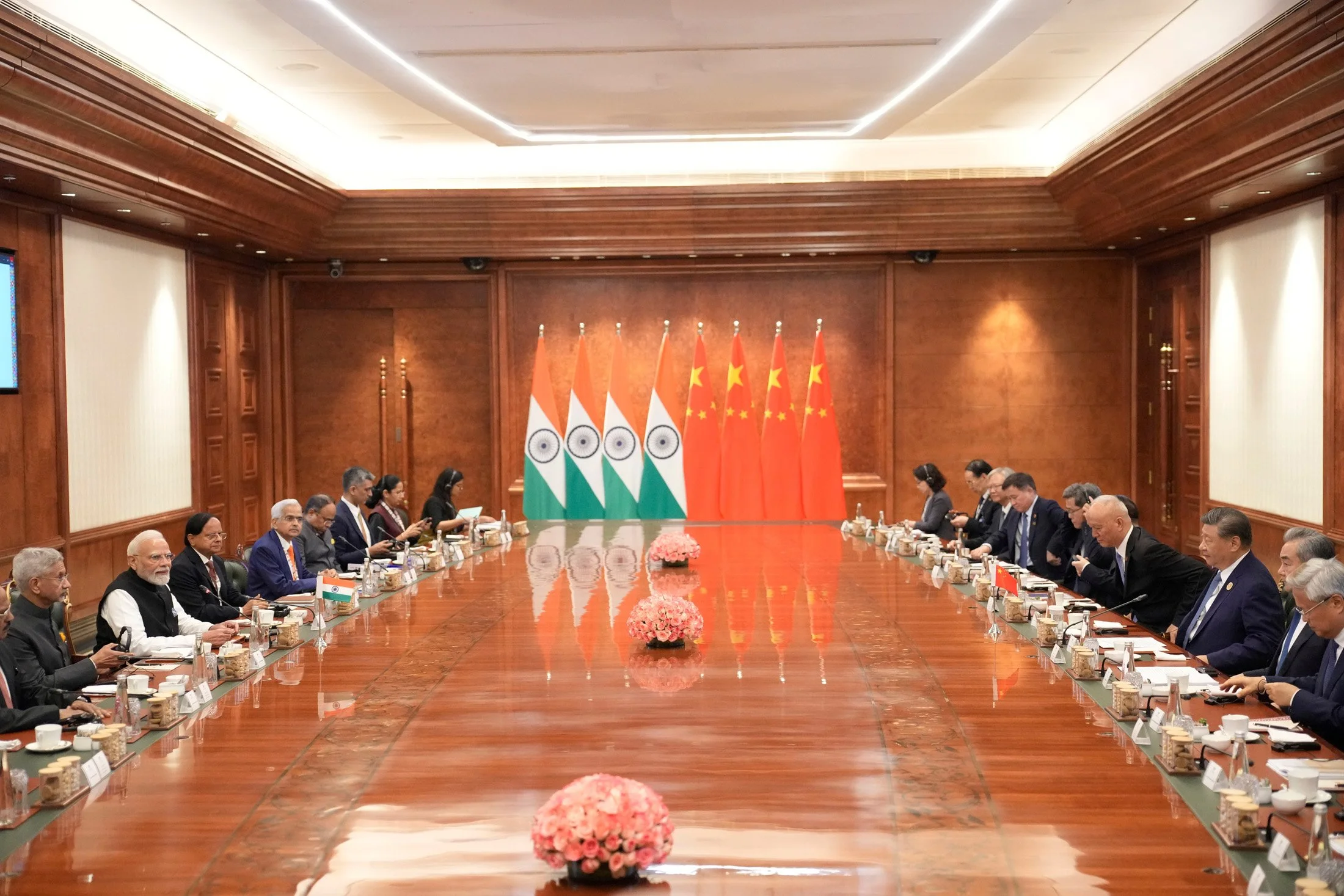
Despite a political thaw with China, India will double-down on efforts to indigenize its own industrial capabilities in certain sectors, while seeking new markets for exports, new defense and technology partners, and new and diverse sources for raw materials, investment, and intermediary goods.

By Andre Nicola
The outcome of Brazil’s 2026 presidential election will have massive implications for its domestic policies and will also shape how Brazil engages with partners in Washington, Beijing, and the rest of the world.

By Piyush Verma
As decarbonization extends beyond electricity into transport, manufacturing, steel, and chemicals, the share of world trade untouched by clean energy accounting is likely to shrink. So the useful question is not where clean trade begins and ends.

By Medha Prasanna
As countries race to connect renewable generation, expand transmission, and meet surging demand from data centers, electricity grids are being built at unprecedented speeds. Building quantum-safe cryptography while equipment is being designed and procured is far easier than retrofitting it later.
By Anit Mukherjee
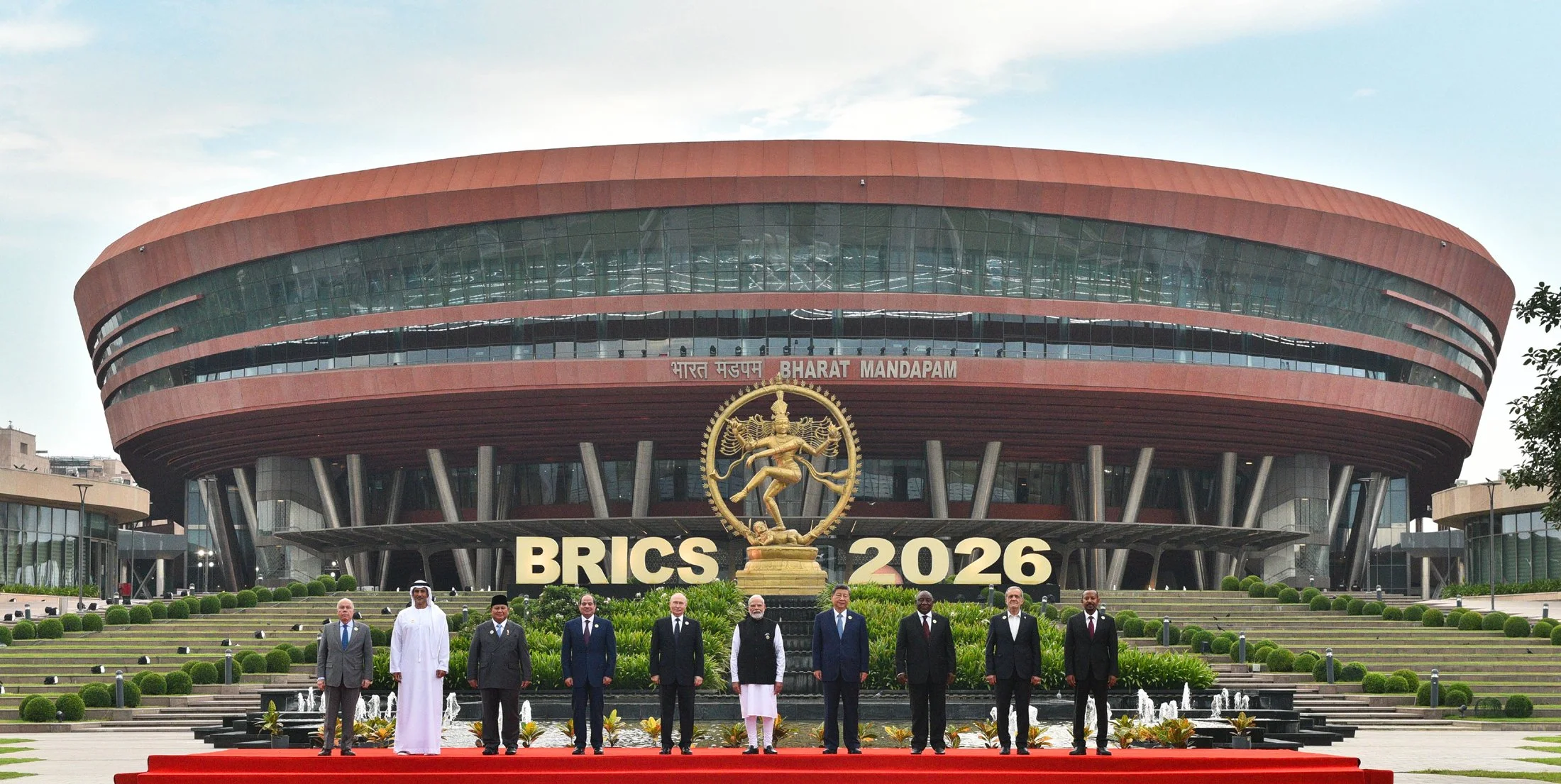
In the 20 years since BRICS was formed as a loose agglomeration of developing countries, the New Delhi Summit demonstrated that its value lay in providing a space for some overlapping approaches to economic management and development. The challenge is one of coordination, reconciling national priorities with the wider objectives of balanced trade, efficient cross-border payments, and effective development finance.
By Pietro Zecca
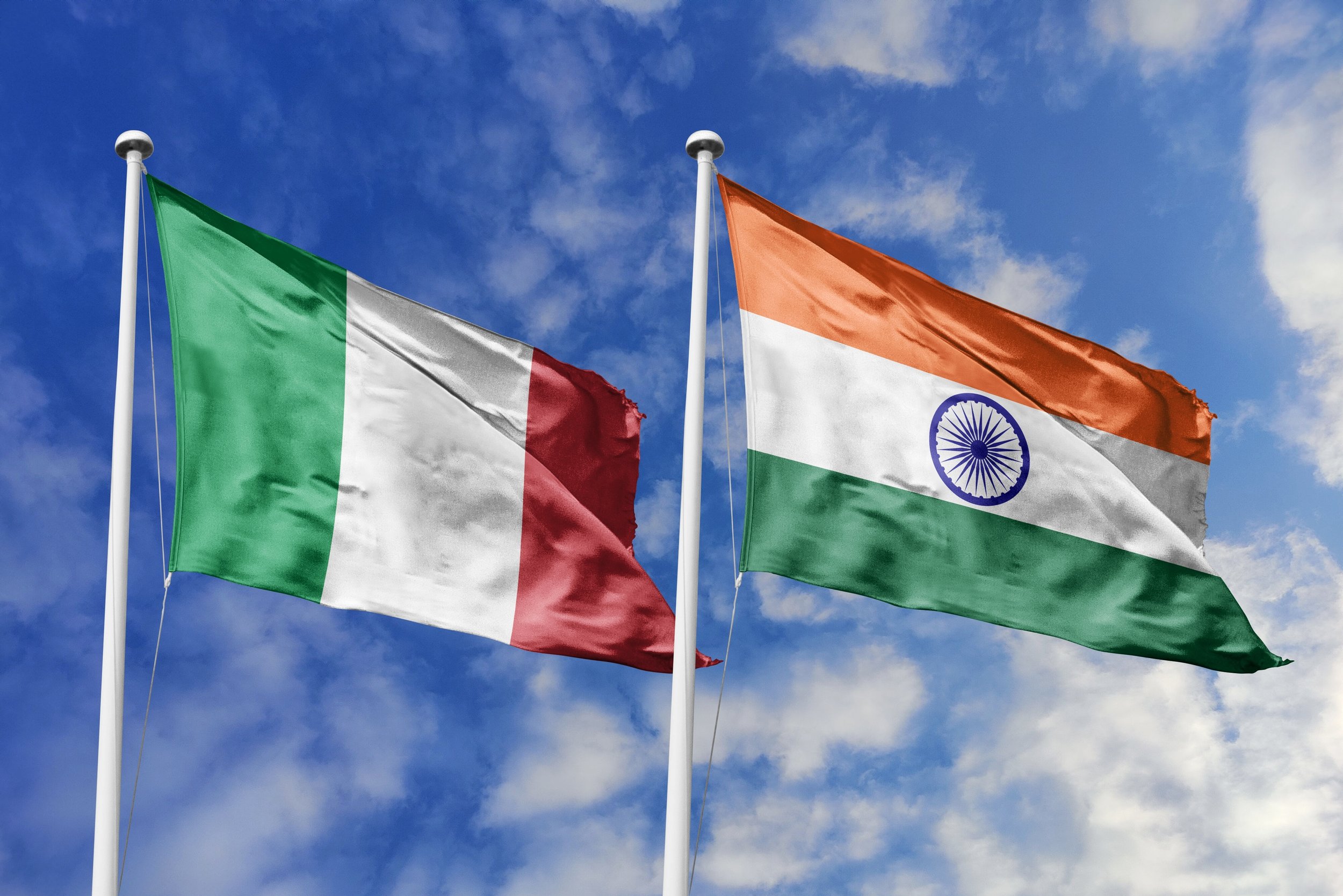
As countries work to reduce their exposure to China-centered supply chains, India is building strategically motivated partnerships across Europe, notably with Italy. It may arguably become India's most interesting clean energy partner in the region.
Listen to Around the World
About ORF America
The Observer Research Foundation America (ORF America) was established in 2020 as a non-partisan and nonprofit public policy institute in Washington DC. An affiliate of the Observer Research Foundation, India's leading public policy think tank, it produces research and analysis on security, economics, technology, and energy; convenes policy discussions in the United States and around the world; and develops networks of policy professionals.
The U.S.-India Partnership: Strengthening Cooperation
Special Report
Produced by the Special Competitive Studies Project (SCSP) and ORF America

By Dhruva Jaishankar
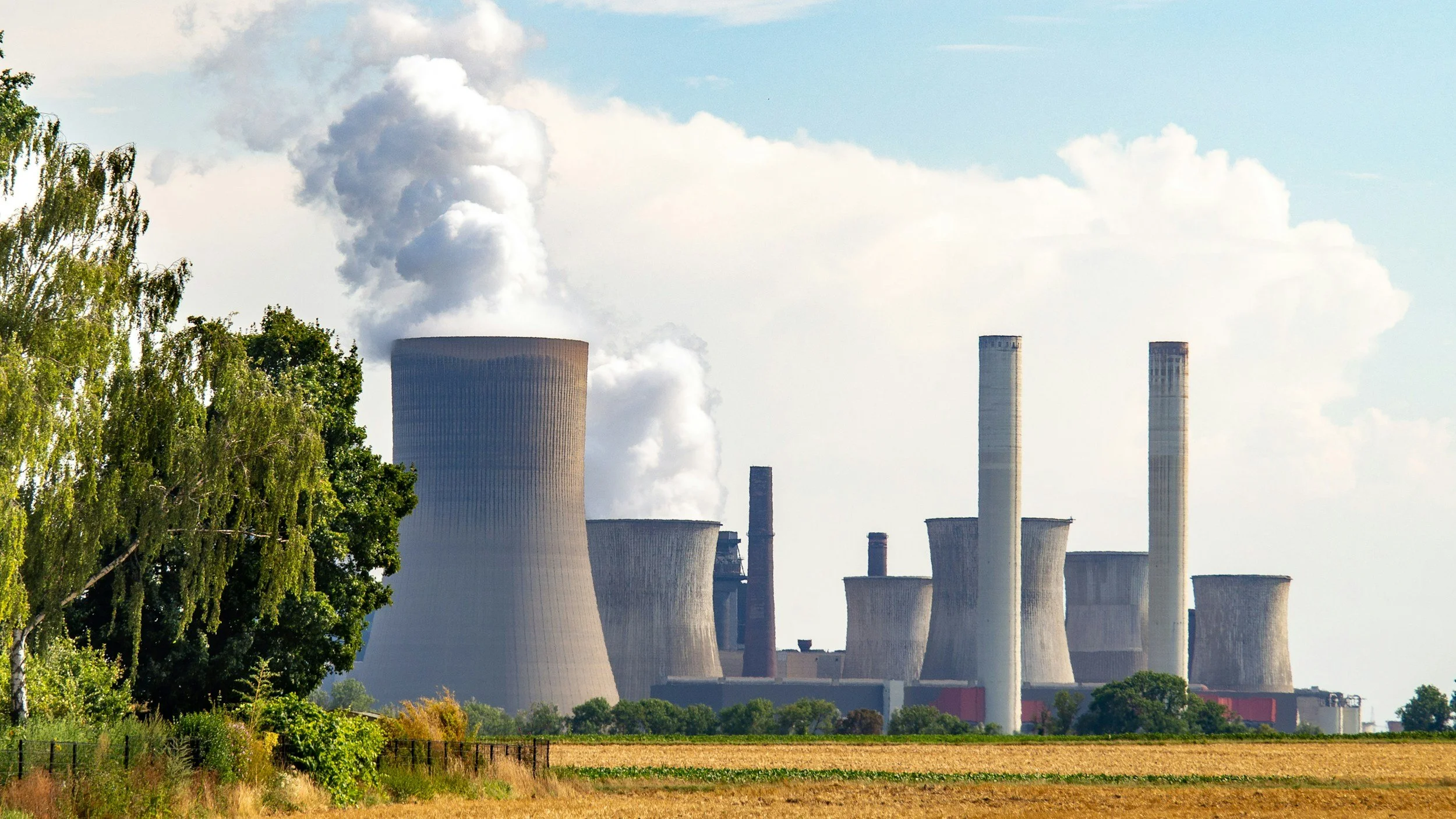
For India, navigating U.S. export controls remains a challenge 20 years since the civilian nuclear agreement was signed.

This special report explores the opportunities of a U.S.-India Strategic Energy and Industrial Partnership.
Special Report
By Aditya Ramji
By Ashita Jain
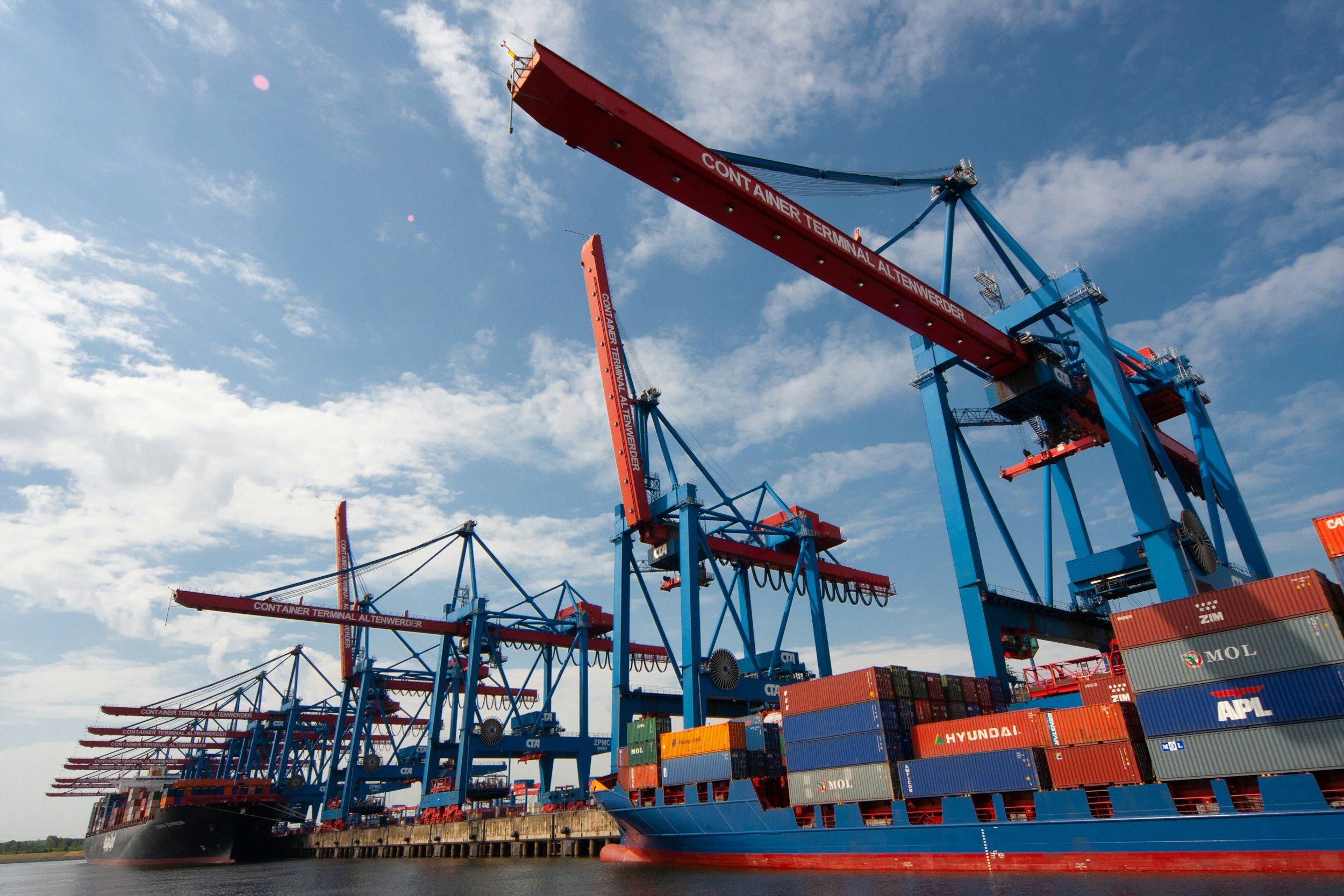
The proposed India-U.S. trade deal discussions are distinct from traditional FTA negotiations, for they resemble a strategic economic partnership being negotiated under tariff pressure and in pursuit of an increasingly elusive sense of predictability for Indian exporters.
By Dhruva Jaishankar
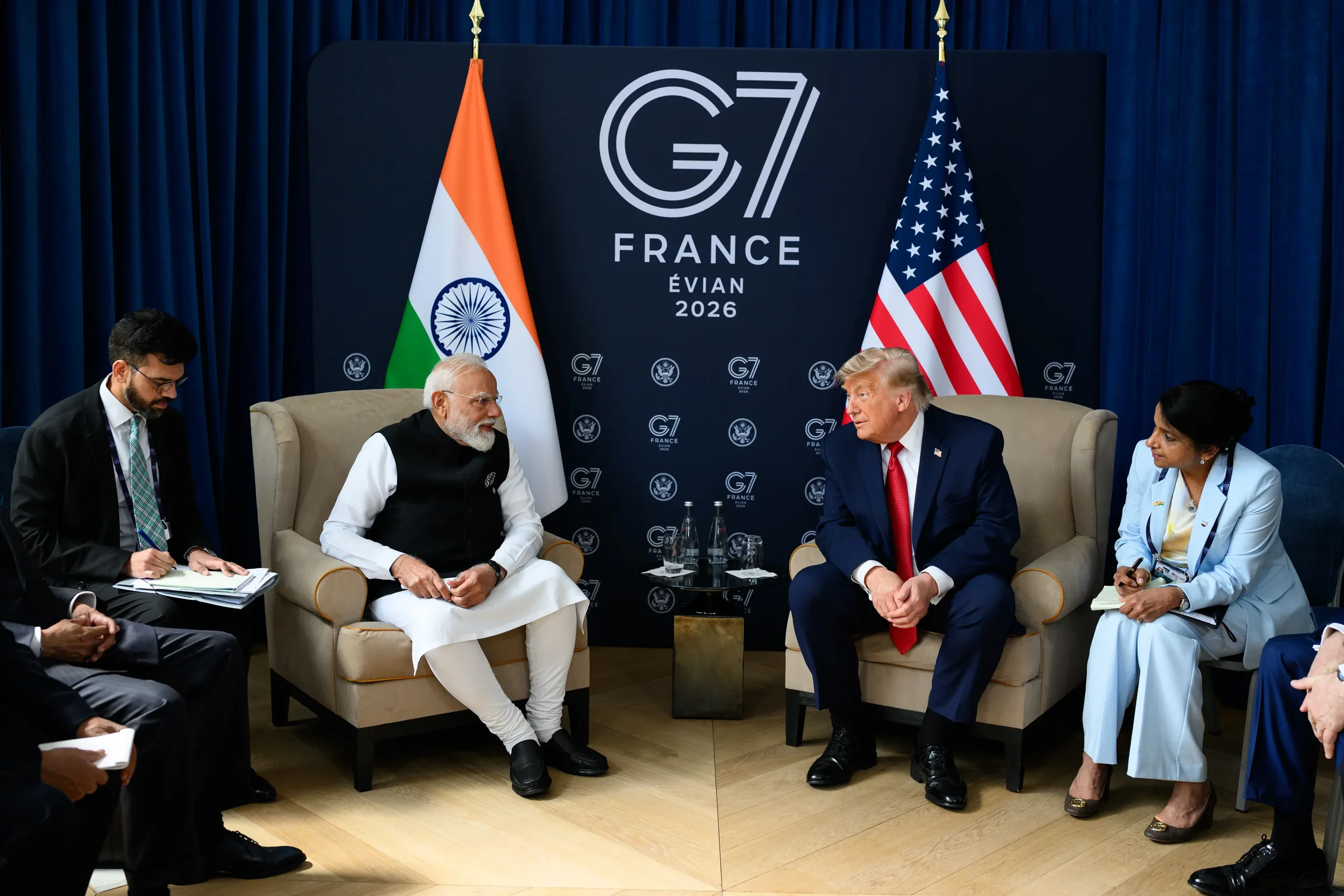
What’s the latest on U.S.-India relations? Dhruva Jaishankar answers.

By Dhruva Jaishankar and Jeffrey D. Bean
Earlier this month, India was among the first countries to receive expanded access to Anthropic's Claude Mythos large language model, but the White House decision to block all foreign access to Anthropic’s new Mythos and Fable models via export control elevates concerns regarding reliability of U.S. partnership and AI dependency.
By Vishal Manve
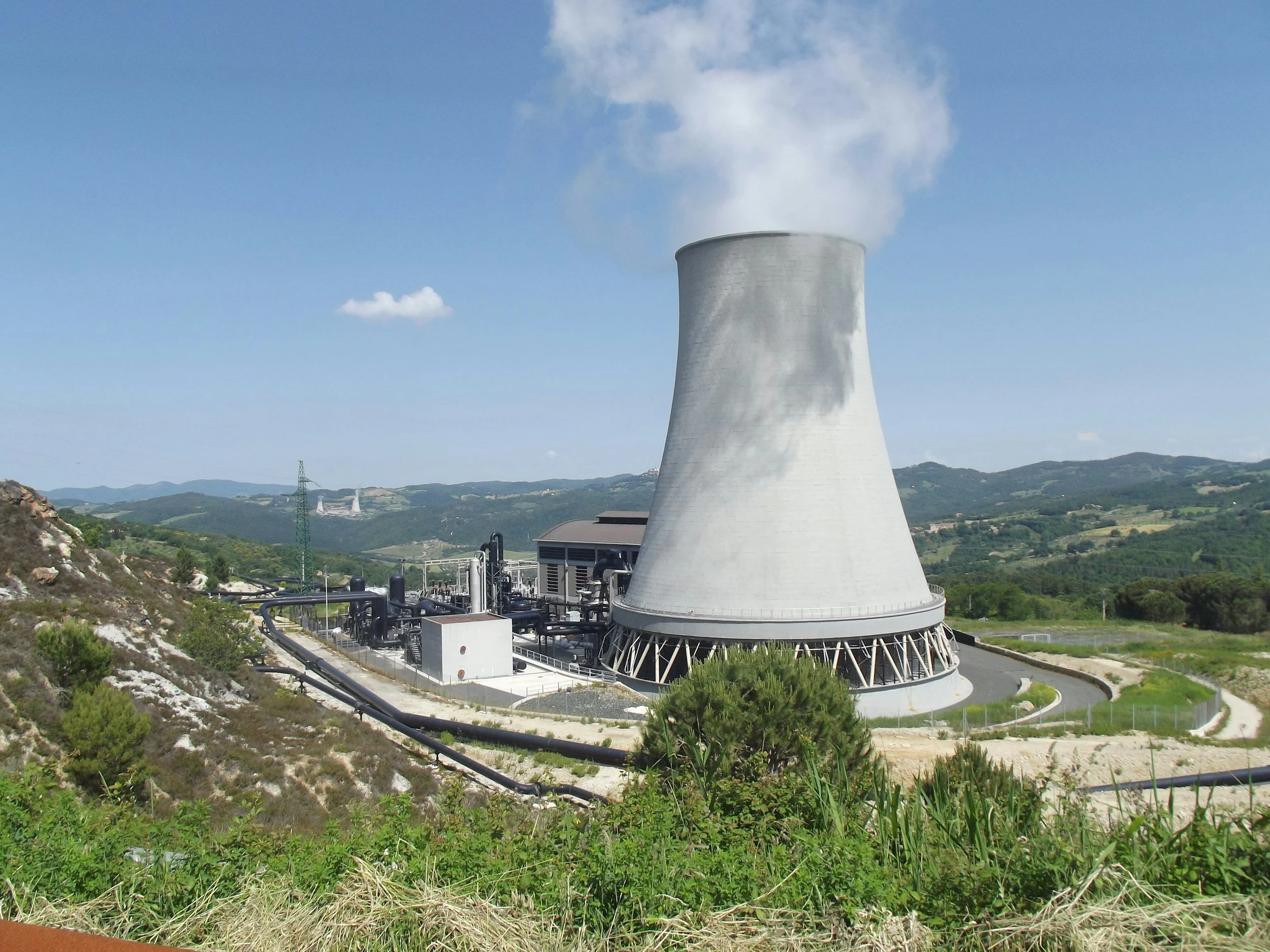
India’s nuclear future is increasingly unfolding along two parallel tracks, one rooted in indigenous strategic capability and the other in internationally integrated commercial innovation. For Washington, understanding and engaging both will be central to the next phase of U.S.–India civil nuclear cooperation.
By Ammar Nainar
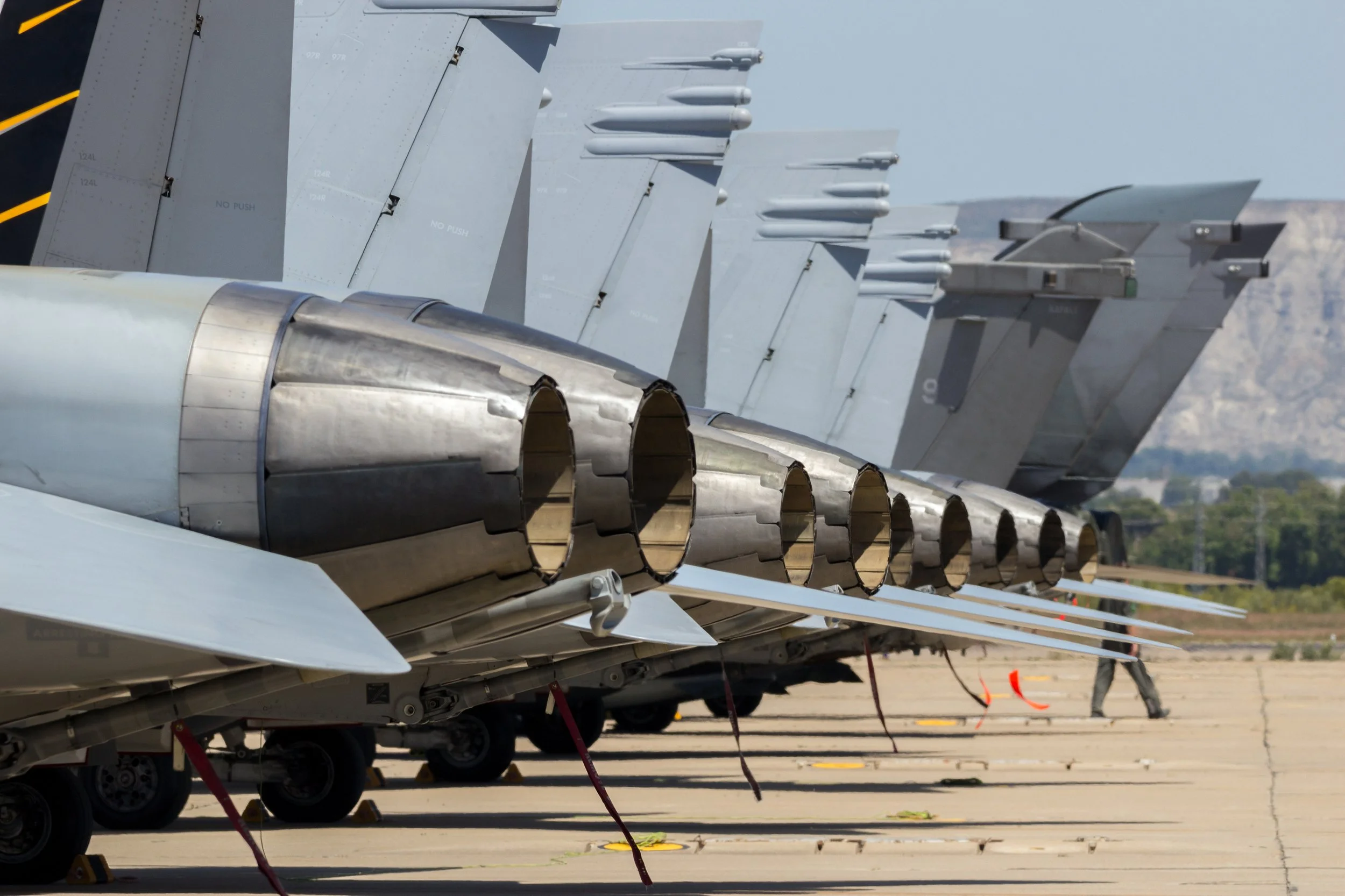
The Iran War has already had a severe impact on the United States’ arms and ammunition inventory. The new demands for arms and munitions come just as India has begun to improve its domestic weapons manufacturing and promote defense exports. In the coming years, this offers opportunities for India and the United States to cooperate in defense manufacturing at scale.
Explaining India: Understanding Public Policy


By Dhruva Jaishankar and Ammar Nainar
Once a quiet backstage function of the armed forces, defence diplomacy has emerged as one of India's sharpest tools of statecraft. From joint exercises and training missions to disaster relief and maritime surveillance, India's military now operates far beyond the battlefield: building trust, shaping partnerships, and projecting the country's strategic interests on a rapidly shifting global stage.

By Dhruva Jaishankar
In its diplomacy, India has reprioritized its near neighborhood, extending financial, developmental, and trading benefits to other South Asian countries and revitalizing more productive regional institutions.



By Andreas Kuehn and Trisha Ray
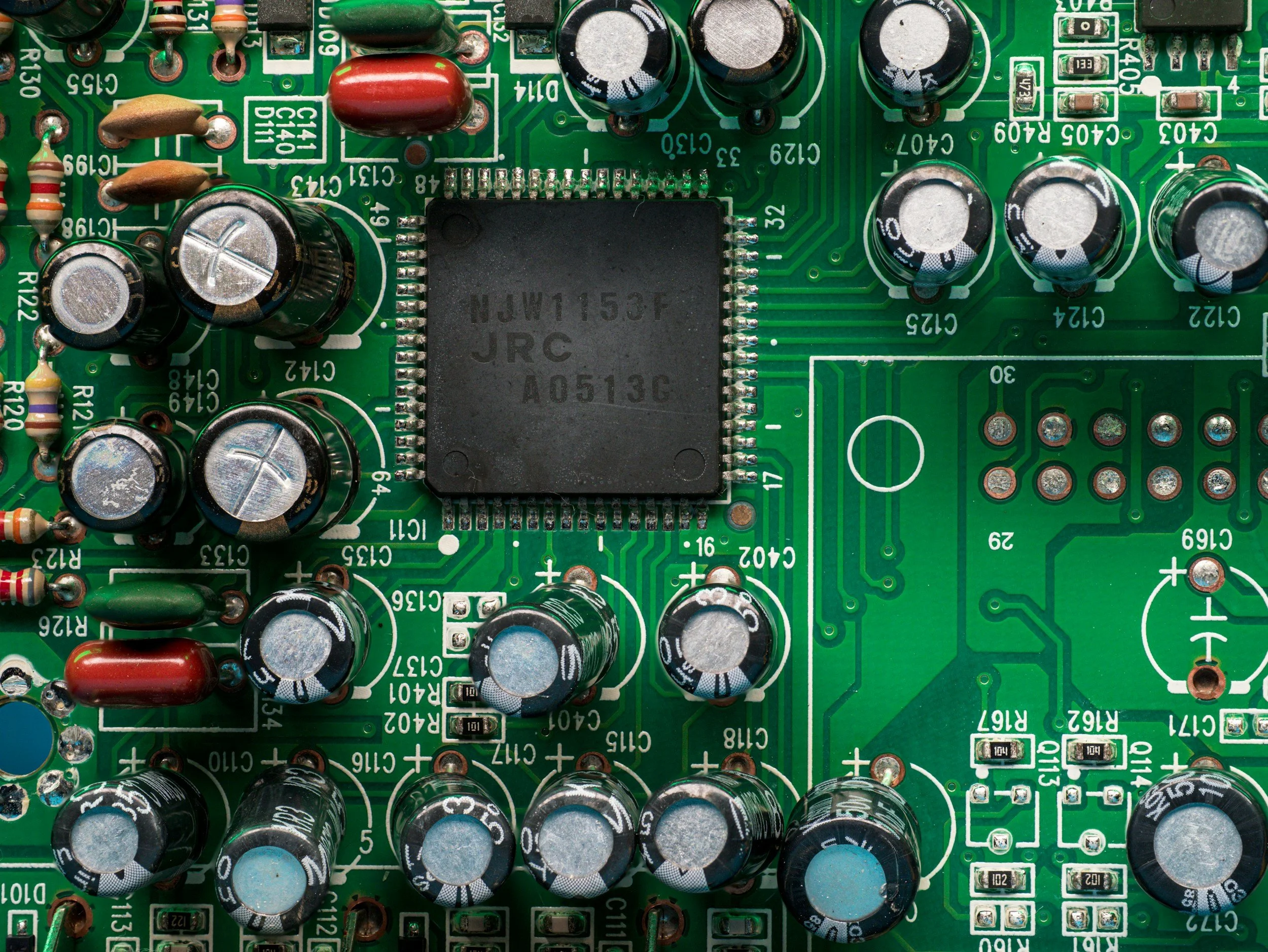
To examine the policies and their challenges, this chapter draws from in-depth, expert interviews with current and former government officials, trade associations, industry decision-makers, and technology experts, as well as a systematic document analysis of publicly available government and corporate documents.

U.S. Engagement with the World: Alliances, Trade, and Technology


By Dhruva Jaishankar
A strong transatlantic bond that for almost eight decades had evolved into a highly integrated defense and economic system among the world’s leading industrial economies – institutionalized under the North Atlantic Treaty Organization (NATO) and G7 – now faces new stresses.

By Linda Nhon and Andreas Kuehn
Trump 2.0’s overall policy directions in critical and emerging technologies will likely hew to common expectations. The details, however, of what technologies the new administration will prioritise and how actions, such as tariffs and export controls for example, will affect the United States’ (US) innovation and technology leadership remains underexplored.
By Jeffrey D. Bean
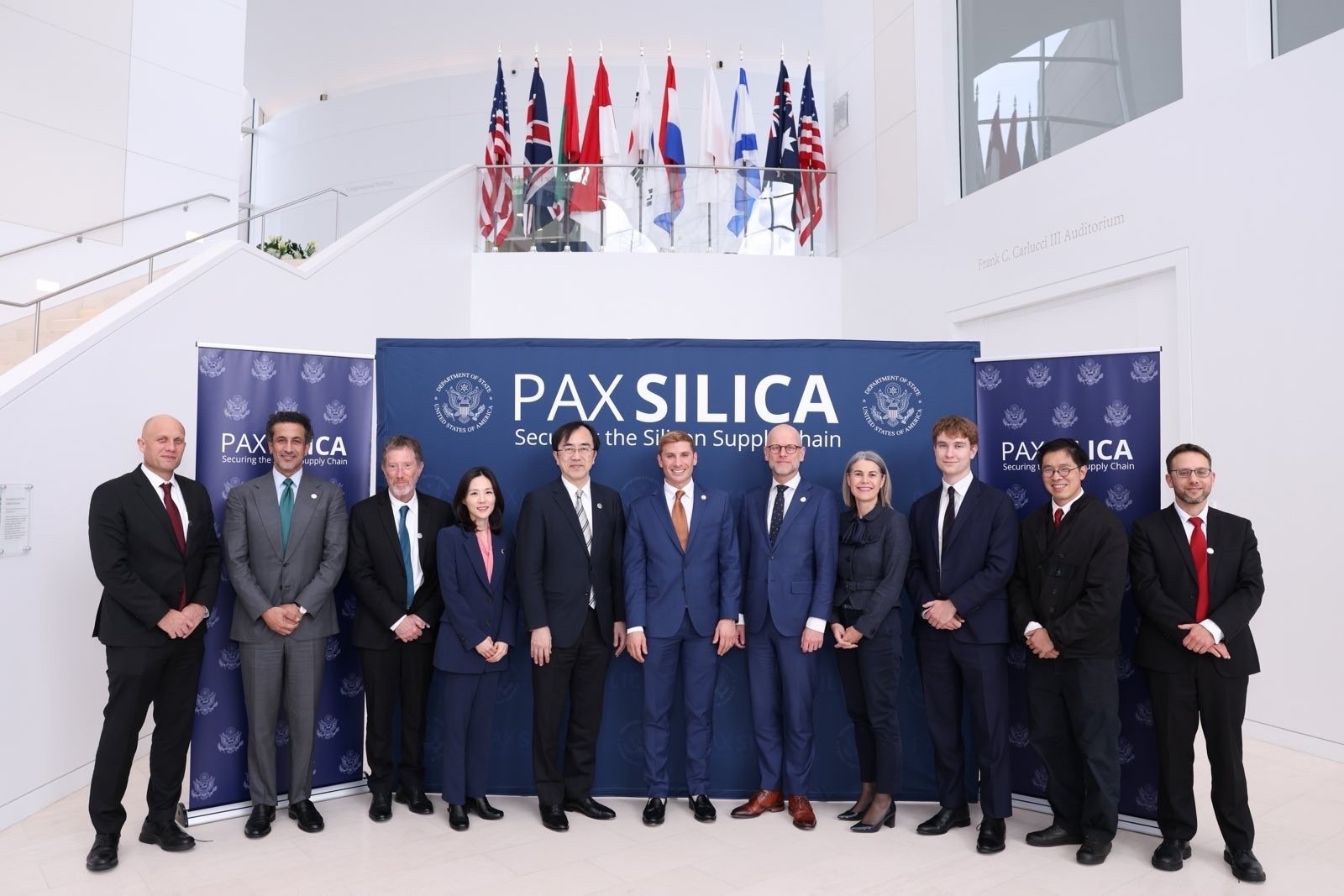
While the Pax Silica initiative has been criticized for being non-binding, unfocused, U.S.-centric, and inconsistent in its membership, it is nonetheless the best-placed plurilateral initiative to advance what has been a bipartisan consensus in the United States on U.S. technological leadership.
By Raul Alfaro-Pelico
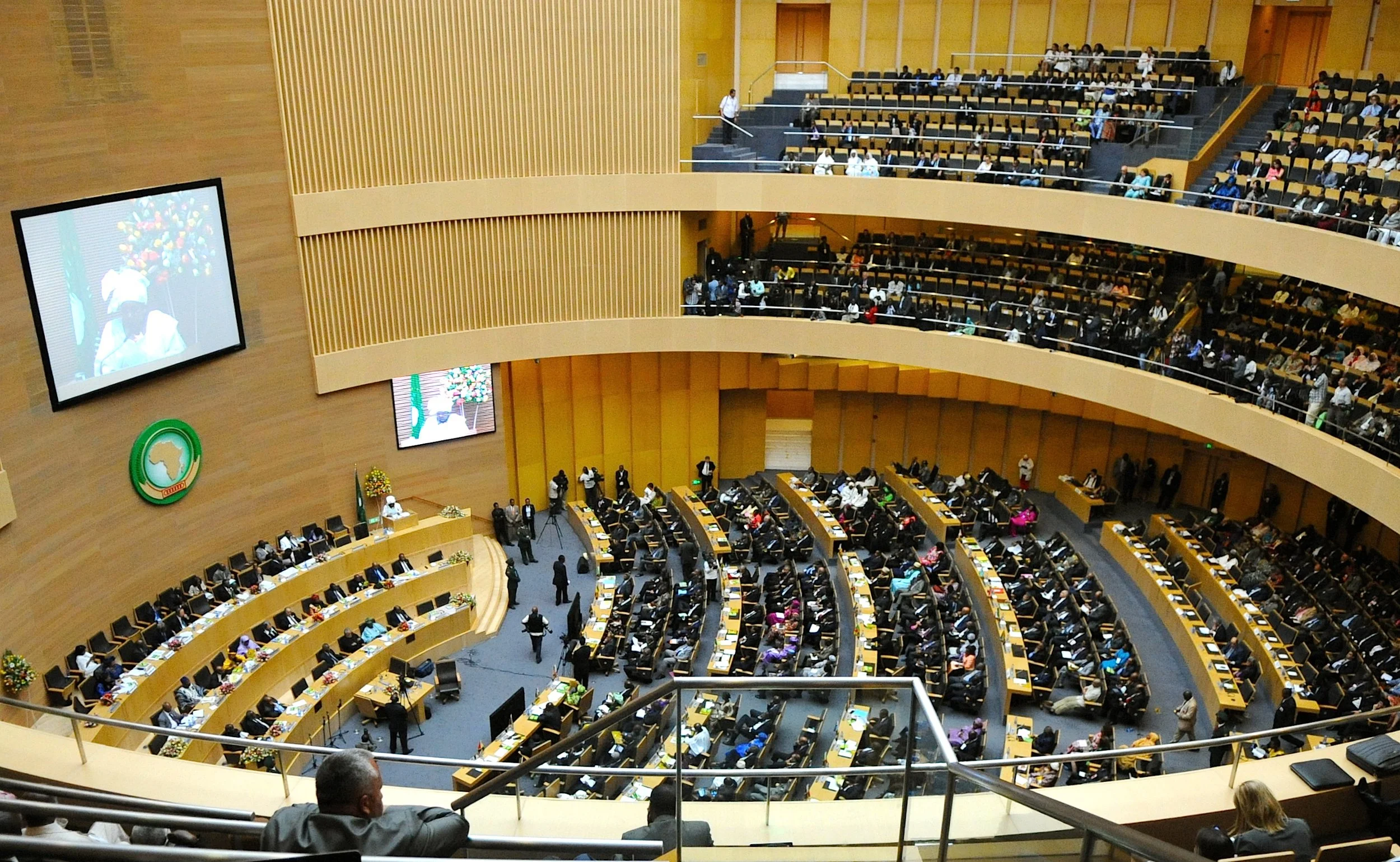
When the African Union took its permanent member seat at the G20 in 2023, it was read across the continent as a long-overdue correction. Three years on, the question is narrower and harder. What does the seat actually buy?
By Sapna Suresh
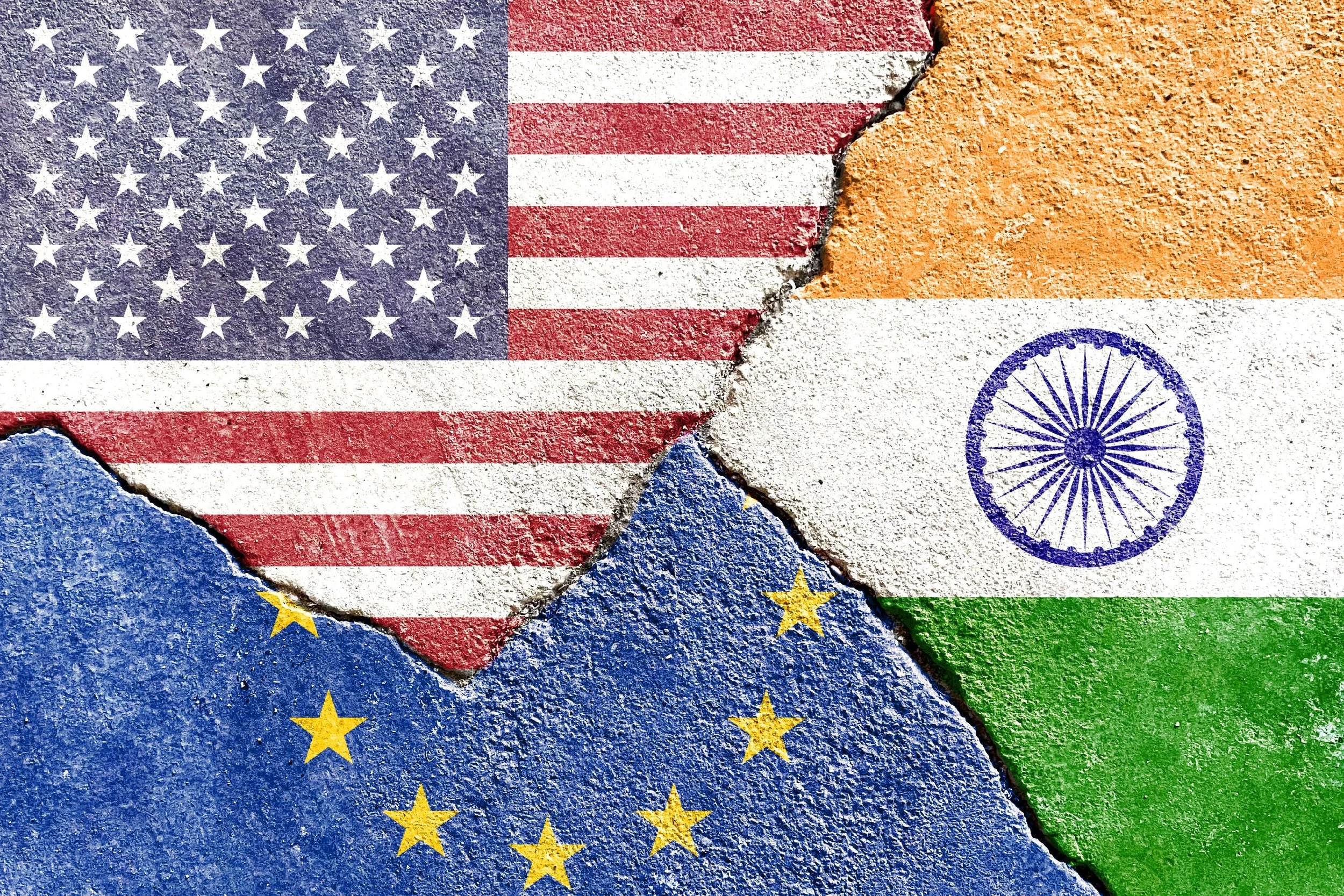
It is not just on trade and market access that Washington and Brussels are competing for favor in India. Their competition extends to defense and security and to migration and mobility.

By Dhruva Jaishankar
Despite Europe’s push for more military self-sufficiency amid tensions with the United States, questions remain as to whether Europe’s political leadership, domestic politics, and social conditions can facilitate the development of true security and strategic autonomy.

By Holly Stevens and Siddharth Sharma
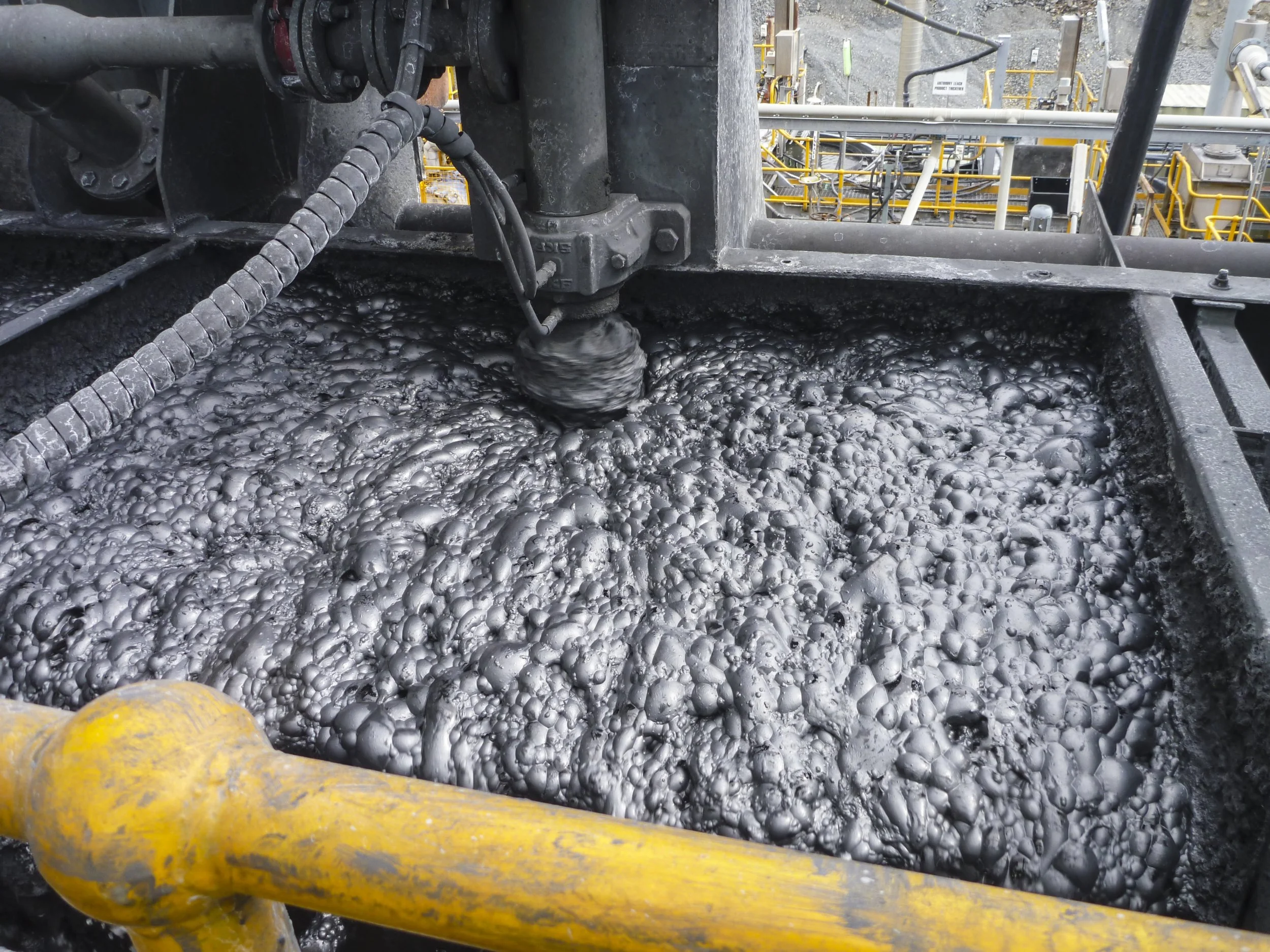
As demand for electric vehicles, battery storage, clean energy systems, and advanced technologies continues to accelerate, Australia’s resource base and mining history, Canada’s resource base as well as its mining and industrial capabilities, and India’s market scale and commitment to value-added manufacturing could support diversification across multiple stages of the value chain.
The Global South: Identifying a Common Agenda


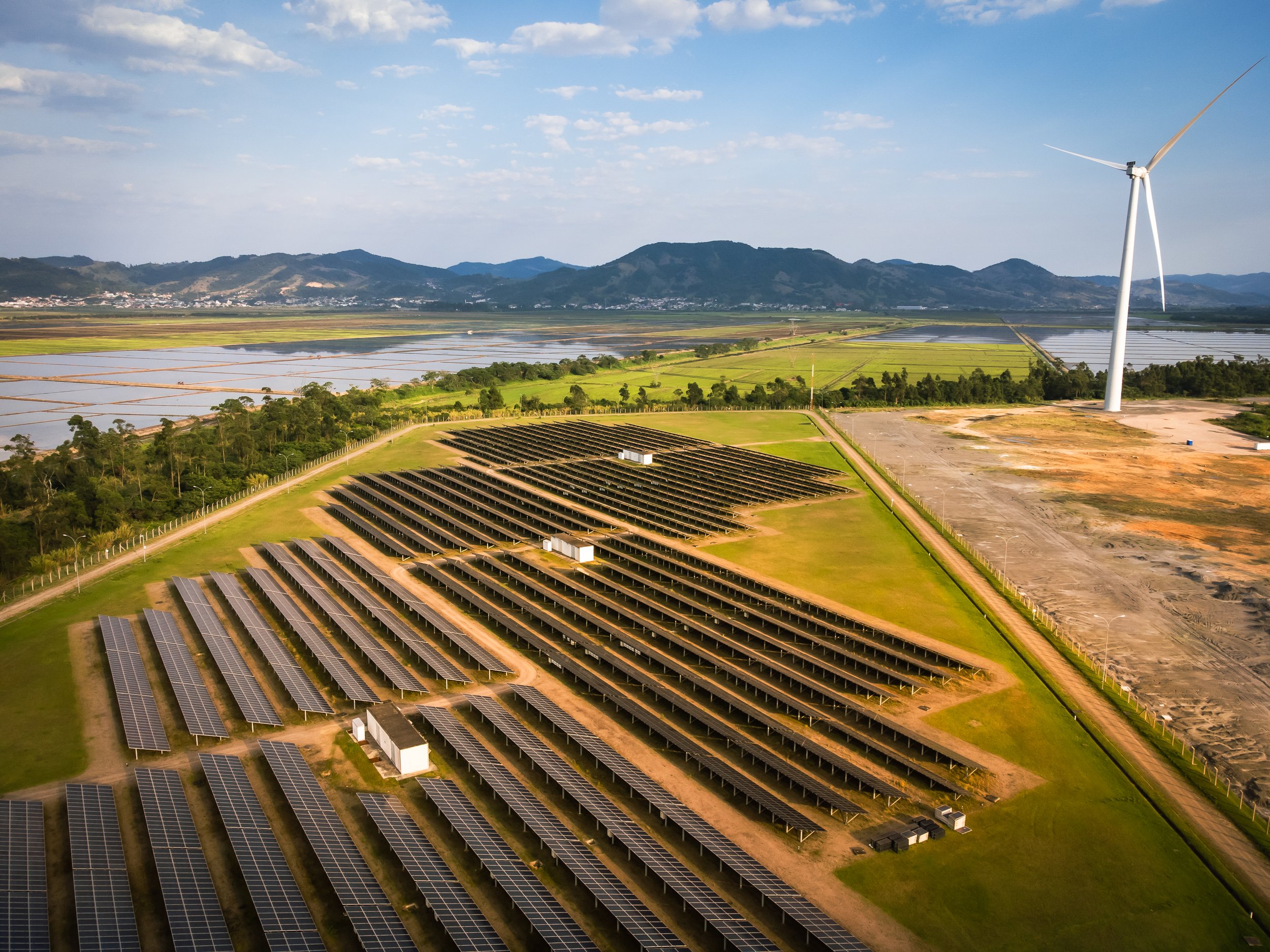


"Rebalancing Globalization: Perspectives from the Global South" attempts to provide a framework for the next phase of globalization that is rebalanced and sustainable and can address issues that matter to the Global South.
Edited Volume
By Anit Mukherjee, Dhruva Jaishankar, Alan Gelb, Pamla Gopaul, Marta Bengoa, Shayak Sengupta, Aude Darnal, Elizabeth Sidiropoulos, Udaibir Das, Veronica Jijon, and Lorrayne Porciuncula
Editors: Anit Mukherjee and Dhruva Jaishankar

Multilateral Reform: Reinvigorating International Institutions



By Dhruva Jaishankar & Tanvi Madan
It’s Time for the Group to Prioritize Its Security Agenda